How to Become a Vet Assistant: Complete Career Guide
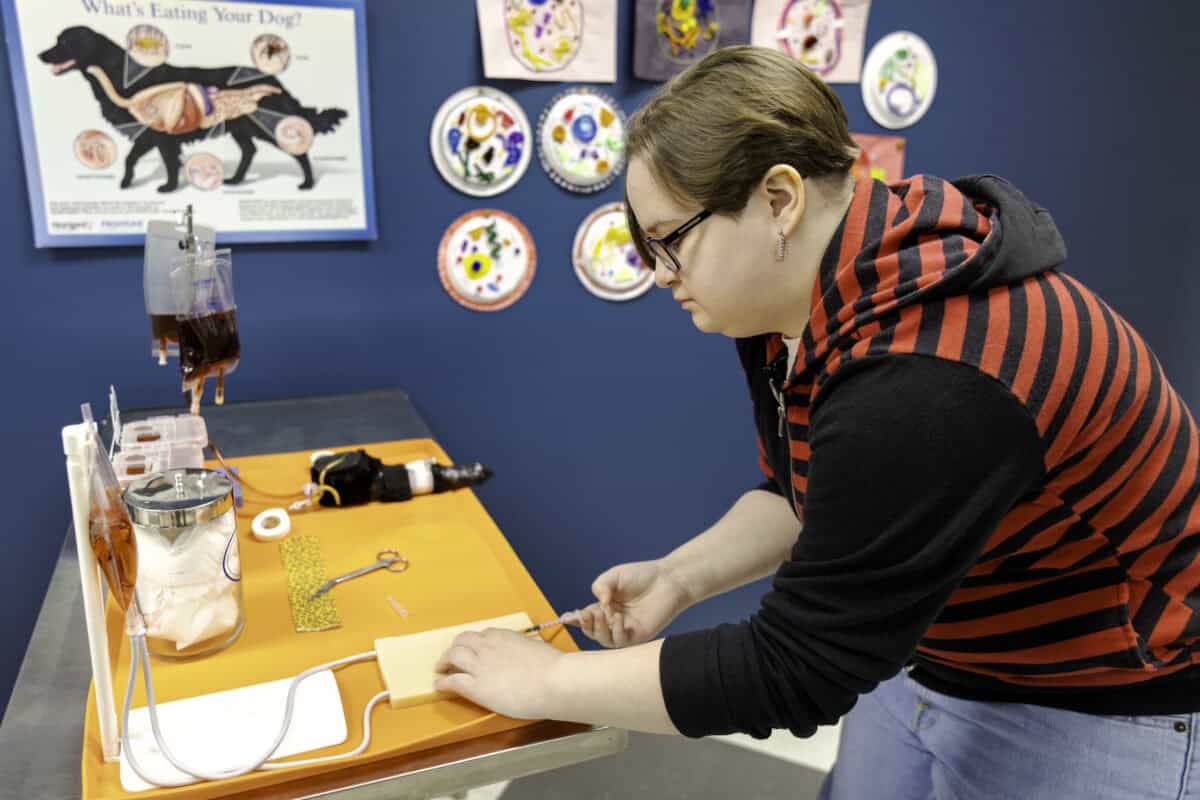
A veterinary assistant is an accessible entry-level animal care position. This role is accessible because aspiring pet professionals can easily become veterinary assistants by completing a vet assisting certification program. With this field seeing an impressive 9% projected job growth, it's a role with growing demand. In this guide, we will learn how to become a vet assistant, including exploring the role, requirements, and salary.
What does a veterinary assistant do?
Veterinary assisting is a support role in a veterinary team. A vet assistant completes many different duties in a clinic:
- Clerical duties: scheduling, taking phone calls, stocking, maintaining records
- Clinic cleanliness: sterilizing instruments, cleaning kennels, equipment maintenance
- Restraint: handling animals during exams and procedures
- Laboratory procedures: drawing blood, performing diagnostic imaging, administering medication
- Surgical assistance: being on stand by for the surgeon, helping with post-operative patient monitoring
- Husbandry: caring for the animals at the clinic by feeding, bathing, and exercising them
- Client interaction: communicating with pet parents and offering emotional support
Vet Assistant Requirements: What You Need to Get Started
Unlike other veterinary professions that require extensive schooling and licensing, veterinary assisting has very few requirements:
- High school diploma or GED
- 18+ years of age
- Physical ability to be on your feet all day and handle heavy animals and equipment
- Mental ability to be compassionate, communicative, and resilient in an emotionally-demanding role
Additionally, it is desirable for veterinary assistants to have prior experience, training, and/or certification in the field, though it isn't required.
How do I become a vet assistant?
There are two main paths towards becoming a vet assistant: achieving veterinary assistant certification or completing on-the-job training.
Certification Program
A veterinary assistant certification program is an intensive training program that teaches students all the skills required to become a vet assistant. These programs should be hands-on with a variety of animals and cover all of the aforementioned duties a vet assistant performs. After completing one of these programs with a passing grade, the student is awarded a certification. The Academy of Pet Careers' certification program comes with robust career services. After graduating, we connect our students with our Preferred Hiring Partners, so they can get started in their new career right away. We achieved a job placement rate of 85% in 2025.

Want to become a vet assistant?
Learn more about our vet assistant school to jumpstart your pet career.
On-The-Job Training
Prior experience or education beyond high school is not required. It is possible to become a veterinary assistant by simply getting a position at a veterinary hospital and completing on-the-job training. However, vet assistants who are certified are more desirable to employers, can jump right into their new role, and are often paid higher salaries. Therefore, this avenue towards veterinary assistance is less reliable.
Step-by-Step: How to Become a Veterinary Assistant
There are five steps to becoming a veterinarian assistant through certification:
- Acquire high school diploma or GED
- Enroll in a veterinary assistant program
- Earn certification upon graduating
- Get connected with local veterinary practices
- Start your new career
If you opt for the path of on-the-job training, you can technically become a vet assistant in three steps. Though, that is only if you are successful at finding a hiring veterinary practice, being the chosen candidate, and completing on-the-job training.
Choosing the Right Vet Assistant Program
There are a plethora of veterinary assistant schools, programs, and certifications to choose from. So, it's important to compare and contrast vet assistant programs to find the best fit for you. There are a few things to consider when choosing a program. First, opt for an in-person program over an online one. Online programs offer flexibility, but they don't offer the rigorous hands-on training that this role demands. Next, look for a program with small class sizes. This means that the instructor can give each student individualized attention. Then, research programs that offer job placement assistance to ensure that you get a job after completing your program. Expect to pay $10,000 to $20,000 for an in-person program, and a good vet assistant school should offer financial aid. The Academy of Pet Careers' veterinary assistant certification meets all of these criteria and then some!
How long does it take to become a veterinary assistant?
This depends on the training. Certification programs usually take 6-12 months to complete. On-the-job training is variable depending on the veterinary practice, how well staffed they are, and whether you are working part-time or full-time. The Academy of Pet Careers' vet assisting program only takes five months (500 hours) to complete. In comparison, a vet tech degree requires 2-4 years of schooling, not counting the time it takes to study and pass the licensing exam.
Key Takeaways
The simplest way to become a vet assistant is by completing five things: acquire diploma or GED, enroll in a program, become certified, utilize your program's career resources, and starting your new role. If you're looking for an in-person, hands-on vet assistant program, come visit us in St. Charles. The Academy of Pet Careers' program takes only five months and connects you with local veterinary practices so you can hit the ground running.
Frequently Asked Questions

Joseph Schifano
Joseph Schifano is the President of The Academy of Pet Careers and the Founder of DogNerdly.
With over 20 years of professional pet experience, Joseph began his journey as the owner/operator of a successful seven-figure pet care business. He later acquired The Academy of Pet Careers, aiming to elevate the quality of care provided by industry professionals. This position enabled him to connect with leading experts in the field and deepen his knowledge in all aspects of pet care.